Ingredients, Explained

Are Ladyfingers Vegetarian? Here's the Honest Answer

Most people assume a biscuit is automatically vegetarian. With traditional Savoiardi, that's not quite true — and it's one of the most common points of confusion for anyone making tiramisu at home.

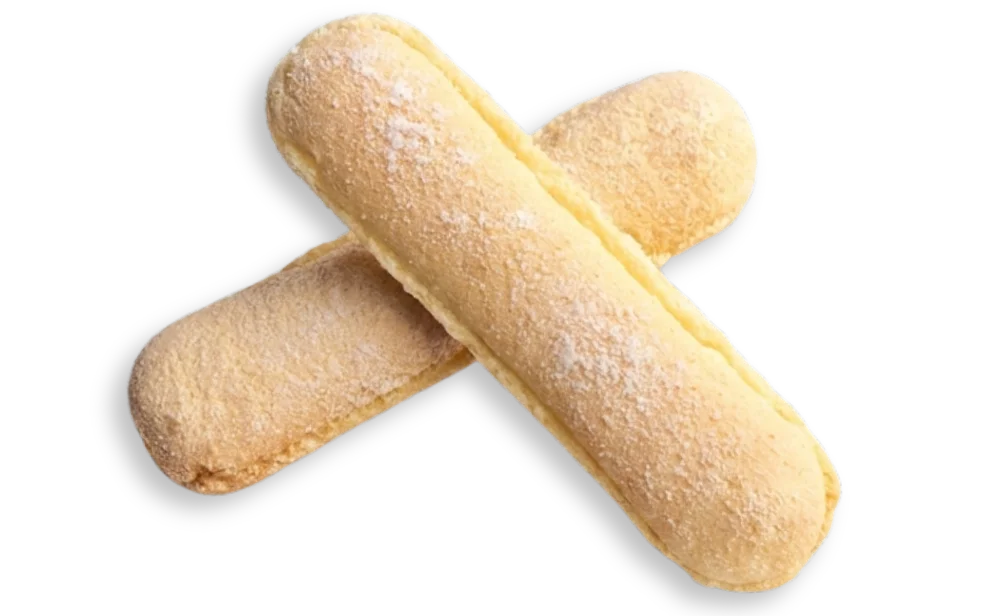
Dolcetti Savoiardi ladyfinger biscuits crossed on a white surface

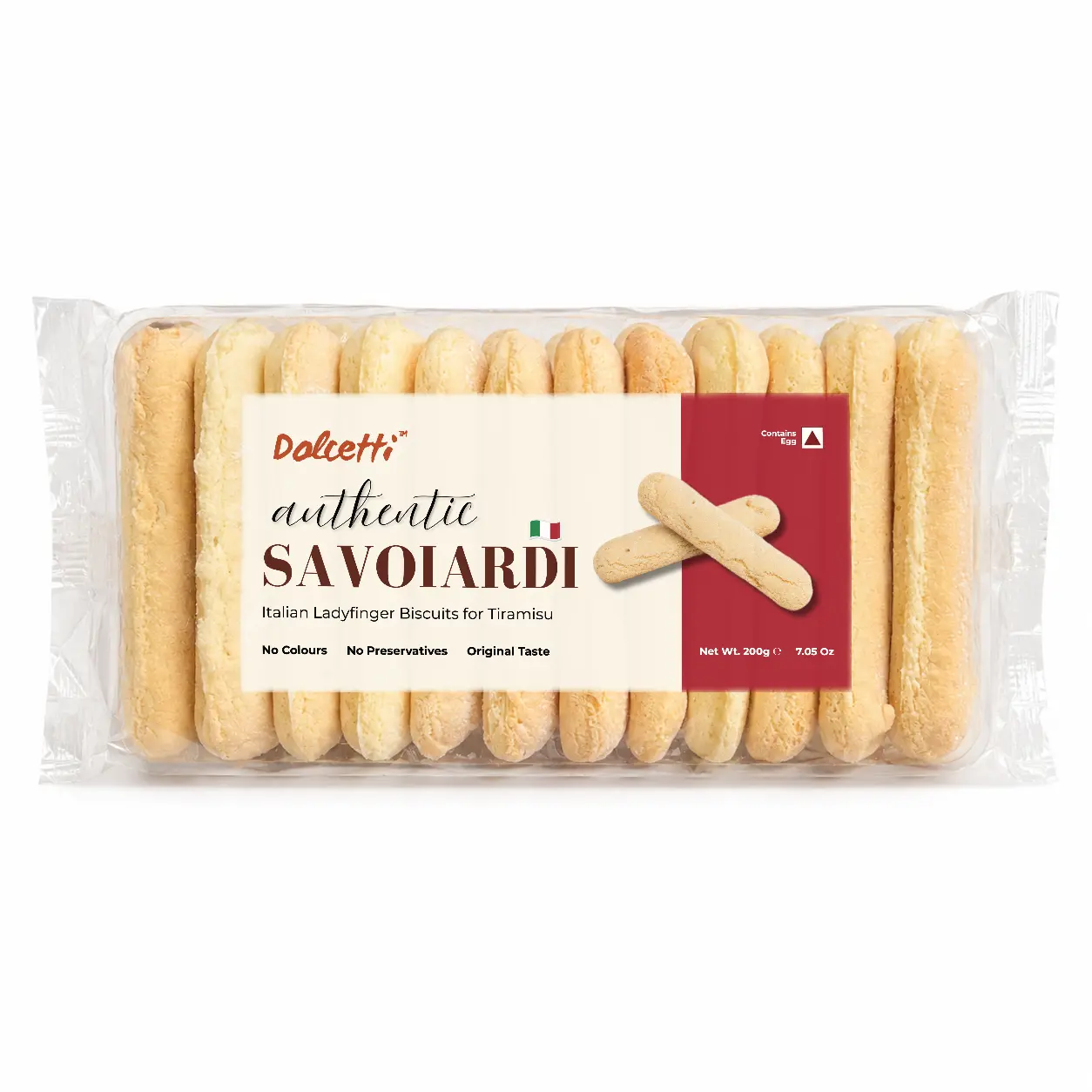
Savoiardi — the Italian name for what's called a ladyfinger in English — is traditionally made with whipped egg. The egg is what gives the biscuit its light, airy sponge and lets it rise without any other leavening agent, and it's been part of the classic recipe since Savoiardi was first baked in the Savoy region of Italy centuries ago. That means most Savoiardi you'll find, whether imported, homemade, or from a bakery, is not egg-free.

This catches a lot of people off guard, especially in India, where "biscuit" often carries an assumption of vegetarian-by-default the way it doesn't in other categories like cakes or mayonnaise. If you're strictly vegetarian, Jain, or avoiding egg for any other reason, it's worth checking the ingredient list on any Savoiardi or ladyfinger packet before you buy — and if it doesn't explicitly say "eggless" or "egg-free," assume it contains egg.

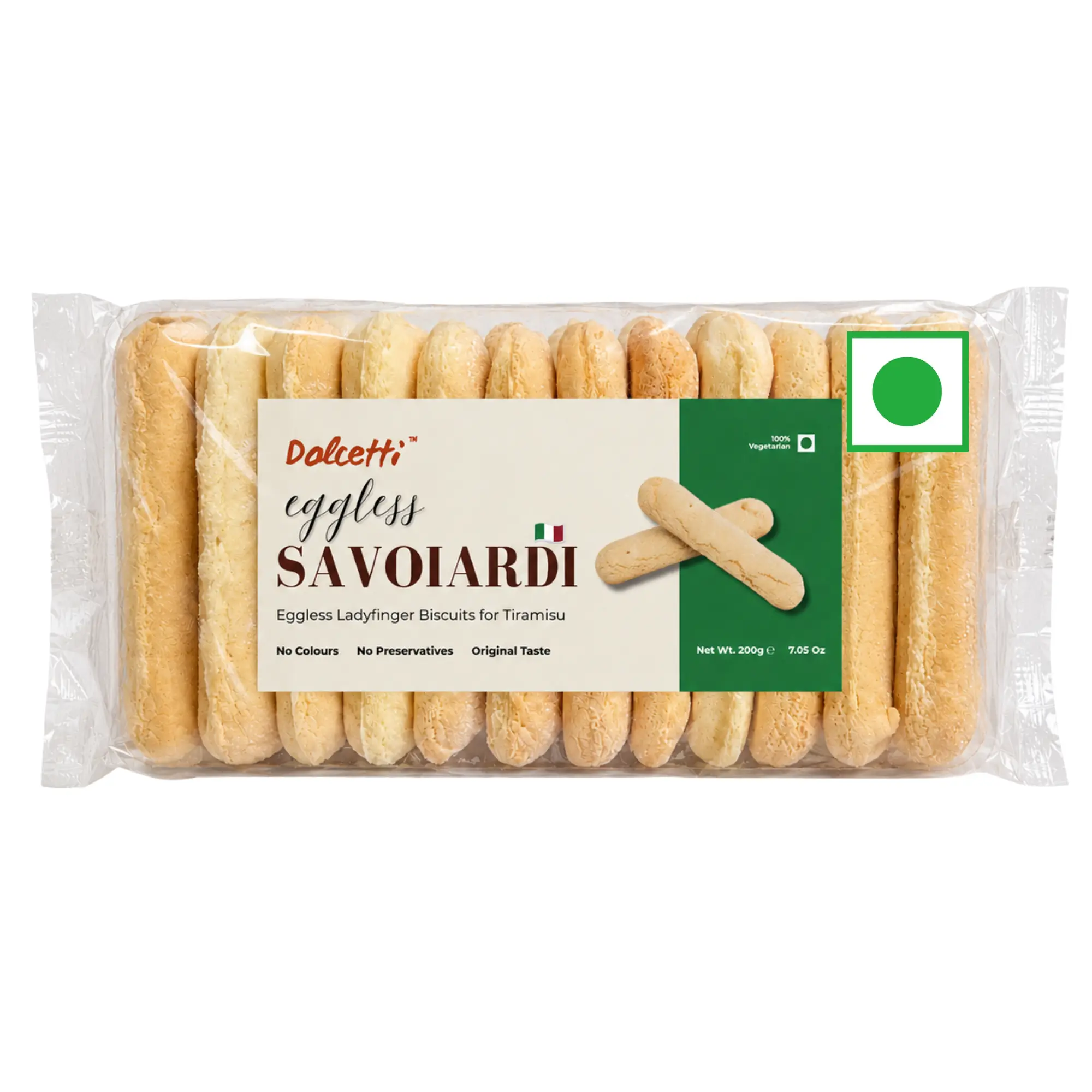
Dolcetti makes both. Our Authentic Savoiardi follows the traditional egg-leavened recipe for anyone who wants the classic biscuit exactly as written. Our Eggless Savoiardi is India's first 100% vegetarian ladyfinger biscuit — developed to match the same crisp texture and coffee absorption, with zero egg or egg derivatives in the ingredient list.

The Short Version

Traditional Savoiardi = contains egg

Classic Italian, imported, and most bakery ladyfingers use whipped egg as the leavening agent. Not vegetarian in the strict sense.

Savoiardi = ladyfingers

Same biscuit, two names — Savoiardi is Italian, ladyfinger is the common English name. Neither term on its own tells you whether egg is in the recipe.

Eggless Savoiardi exists

Dolcetti Eggless Savoiardi is made without egg or egg derivatives — 100% vegetarian, suitable for Jain diets, developed to behave like the original in coffee and cream.

Always check the packet

"Ladyfinger" or "Savoiardi" alone isn't a vegetarian guarantee. Look for an explicit "eggless" or "egg-free" label, or check the ingredient list directly.

Making Tiramisu for a Jain or Strict Vegetarian Table

Tiramisu is entirely achievable for Jain and strict vegetarian households once you swap in the right ingredients. Start with Dolcetti Eggless Savoiardi instead of a traditional egg-based biscuit, and use a plain coffee dip rather than coffee liqueur if alcohol is also off the table. Our Eggless Tiramisu recipe is written specifically as a Jain-friendly version, with a no-coffee variation option for households that avoid caffeine as well.

Common Questions

It depends on the biscuit. Traditional Savoiardi (ladyfingers) are made with whipped egg, so classic, imported, or homemade versions are usually not egg-free. Dolcetti also makes a 100% vegetarian Eggless Savoiardi with no egg or egg derivatives, made specifically for buyers who need a fully vegetarian ladyfinger.
Most do. Egg is what gives traditional Savoiardi their light, airy sponge structure, and it's a core ingredient in the classic Italian recipe. If a packet doesn't explicitly say "eggless" or "egg-free", assume it contains egg and check the ingredient list to be sure.
Yes. Savoiardi is the Italian name for the biscuit that's called a ladyfinger in English — same biscuit, two names. Both terms refer to the dry, crisp, oblong sponge biscuit traditionally used to build tiramisu.
Yes, with the right ingredients. Use Dolcetti Eggless Savoiardi in place of egg-based ladyfingers, skip the coffee liqueur or use a Jain-friendly no-onion-no-garlic mascarpone cream recipe, and the result is a fully Jain-friendly tiramisu with no compromise on taste.
Yes. Dolcetti Eggless Savoiardi is developed specifically to match the crispness and coffee-absorption of traditional Savoiardi, so it behaves the same way in a tiramisu recipe — the difference in the finished dessert is minor.