
Dolcetti Test Kitchen • Classic
Classic Italian Tiramisu
The traditional recipe, built the way it's made in Italy — a whipped egg-yolk zabaglione folded through mascarpone, layered with coffee-dipped Savoiardi. Cooked gently for safety, but true to the original method.
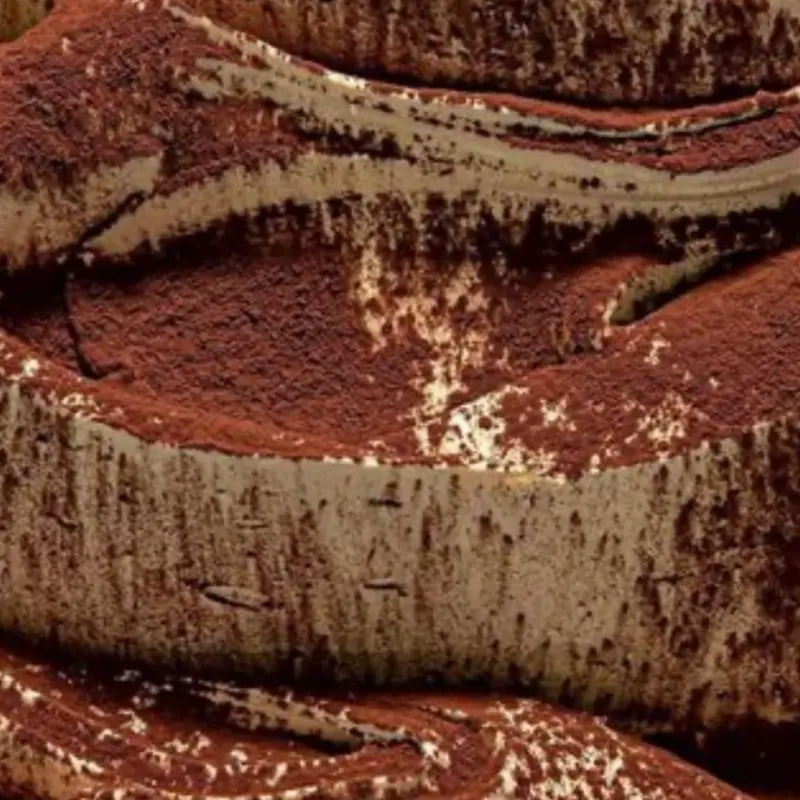
Tiramisu is one of those desserts that seems complicated until you understand what it actually is: coffee-dipped biscuits layered with sweetened cream, chilled until it sets into distinct, sliceable layers. What sets the classic Italian version apart from most home adaptations is the zabaglione — a whipped egg-yolk custard cooked over gentle heat, which gives the mascarpone filling a richer, silkier texture than whipped cream alone can produce.
This recipe cooks the egg yolks properly over simmering water with a hot sugar syrup, bringing the mixture above the temperature needed to pasteurise the eggs, so you get the traditional texture without the food-safety concerns of recipes that use raw yolks straight from the shell.
The one ingredient that can't be substituted without changing the result is the biscuit. Real tiramisu depends on Savoiardi — a dry, crisp Italian ladyfinger biscuit baked specifically to absorb coffee without collapsing. We use Dolcetti Authentic Savoiardi here, our traditional egg-based biscuit made for exactly this recipe. Prefer an egg-free version instead? Our Eggless Savoiardi works identically in the eggless variation of this recipe.
Classic Italian Tiramisu
The traditional Italian recipe with a whipped egg-yolk zabaglione, made with Dolcetti Authentic Savoiardi ladyfinger biscuits.
Ingredients
- 24 Dolcetti Authentic Savoiardi (about 2 packets)
- 1½ cups strong brewed espresso or filter coffee, cooled
- 2 tbsp coffee liqueur or dark rum (optional)
- 5 large egg yolks
- ¾ cup sugar, divided
- ¼ cup water
- 500g mascarpone cheese, room temperature
- 1 cup heavy whipping cream, chilled
- 2 tbsp unsweetened cocoa powder, for dusting
- Dark chocolate shavings, for garnish (optional)
Instructions
- 1. Prepare the coffee dip. Brew strong espresso or filter coffee and let it cool completely to room temperature. Stir in the coffee liqueur or rum if using, and pour into a shallow dish wide enough to dip the Savoiardi.
- 2. Make the zabaglione. Whisk the egg yolks with half the sugar in a heatproof bowl over gently simmering water until pale and thick. Heat the water and remaining sugar to soft-ball stage (116°C), then stream it into the whisking yolks. Keep whisking over the heat for 6–8 minutes until thick and ribbon-like, reaching at least 71°C. Cool to room temperature.
- 3. Fold in the mascarpone. Whisk the mascarpone into the cooled zabaglione a third at a time until smooth. Separately, whip the cream to soft peaks, then gently fold it into the mascarpone mixture until airy.
- 4. Dip the Savoiardi. Working one at a time, dip each biscuit into the cooled coffee for 1–2 seconds per side. It should darken and soften slightly but still hold its shape firmly.
- 5. Build the first layer. Arrange a single layer of dipped Savoiardi in the base of an 8-inch dish, trimming biscuits to fit gaps if needed. Spread half the mascarpone mixture evenly over the top.
- 6. Repeat and smooth. Dip and layer a second row of Savoiardi over the cream, then spread the remaining mascarpone mixture on top, smoothing the surface with an offset spatula.
- 7. Chill and serve. Cover and refrigerate for at least 4 hours, ideally overnight. Just before serving, dust with cocoa powder through a fine sieve and top with chocolate shavings if desired. Slice with a knife dipped in hot water for clean edges.
Notes: Use a food thermometer for the zabaglione if you have one — it should reach at least 71°C to be properly cooked. Nutrition estimate: approximately 410 calories per slice (8 slices per pan), based on standard ingredient measures.
Tips for Perfect Classic Tiramisu Every Time
Cook the Zabaglione Properly
Don't rush the yolk-and-syrup stage — whisk continuously over the simmering water until it's genuinely thick and ribbons off the whisk. An undercooked zabaglione won't set properly and can taste eggy.
Dip Fast, Don't Soak
The single most common mistake is over-soaking the Savoiardi. A 1–2 second dip per side is enough — the biscuit continues absorbing moisture from the cream while it chills, so it softens fully by the time you slice it.
Use Room-Temperature Mascarpone
Cold mascarpone straight from the fridge is harder to fold smoothly into the zabaglione and tends to leave lumps. Let it sit out for 20–30 minutes before mixing.
Chill Longer Than You Think
Four hours is the minimum for clean slices; overnight is genuinely better. The extra time lets the biscuit layers fully soften and the flavours meld into something closer to what you'd get at a restaurant.
Variations to Try
Prefer to skip the cooked egg-yolk step entirely? Our Eggless Tiramisu recipe uses whipped cream folded through mascarpone instead, made with Dolcetti Eggless Savoiardi for a fully egg-free dessert. For a fruit-forward twist, swap the espresso for reduced mango purée in our Eggless Mango Tiramisu.
If you can't find coffee liqueur or prefer to skip alcohol entirely, it's genuinely optional here — the espresso alone carries plenty of flavour, and the recipe works identically without it.
Tiramisu Questions, Answered
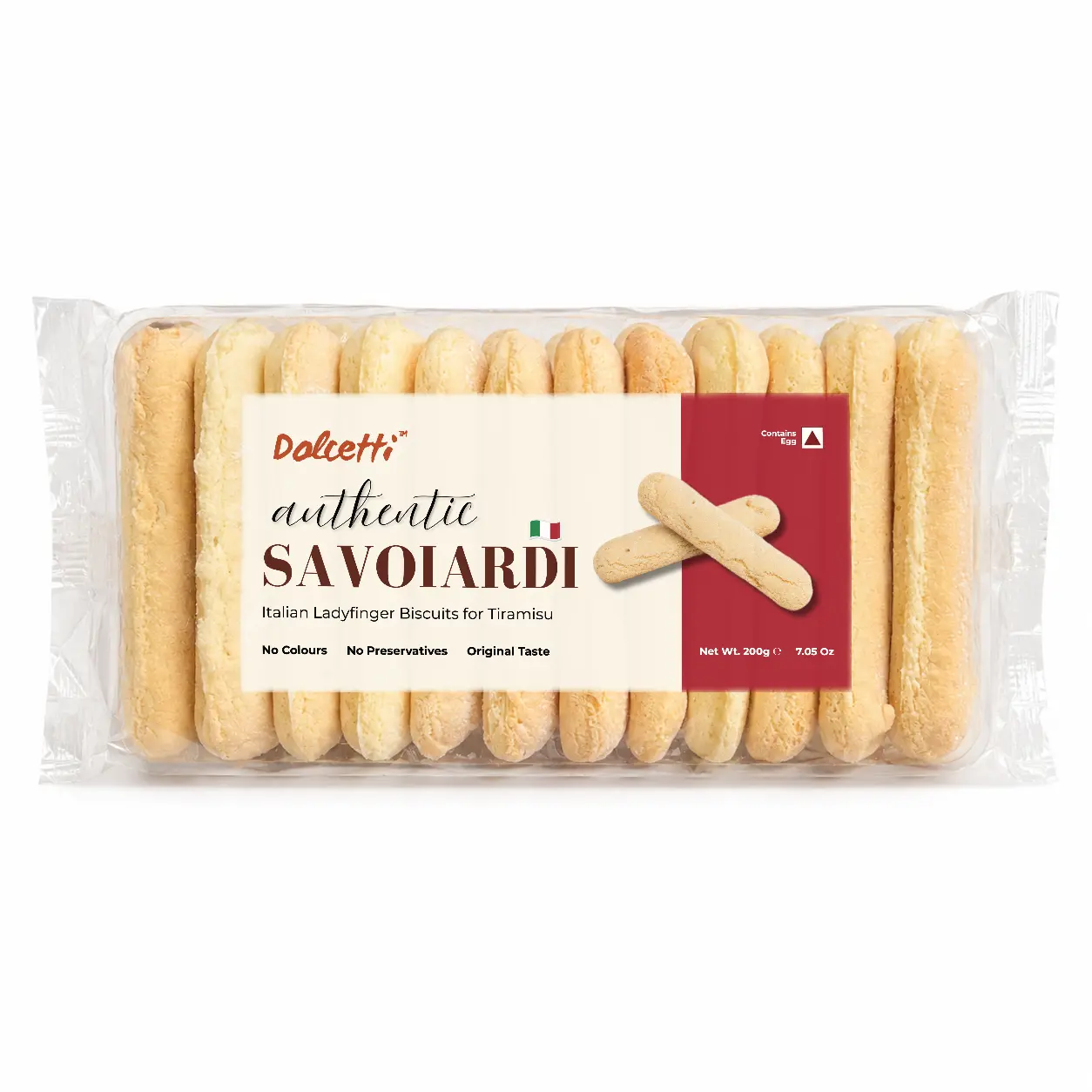
Get the Biscuits for This Recipe
This recipe uses Dolcetti Authentic Savoiardi — traditional egg-based Italian ladyfinger biscuits.